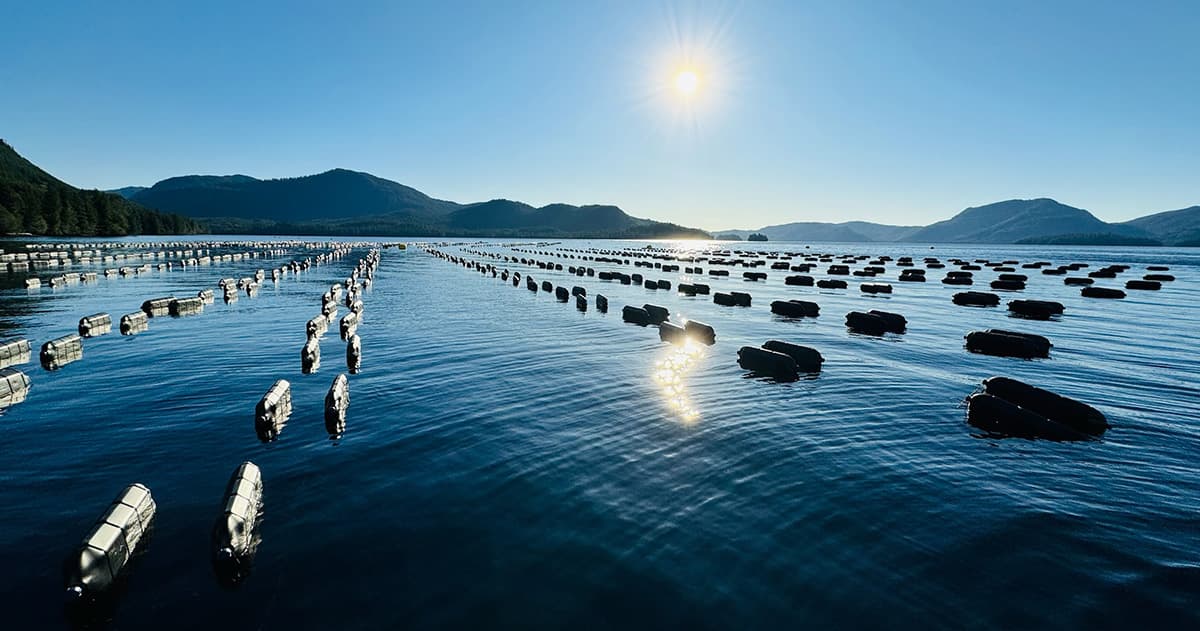
The oysters growing in Southeast Alaska’s Doyle Bay are destined for tables across the country. To get there, they have to fly.
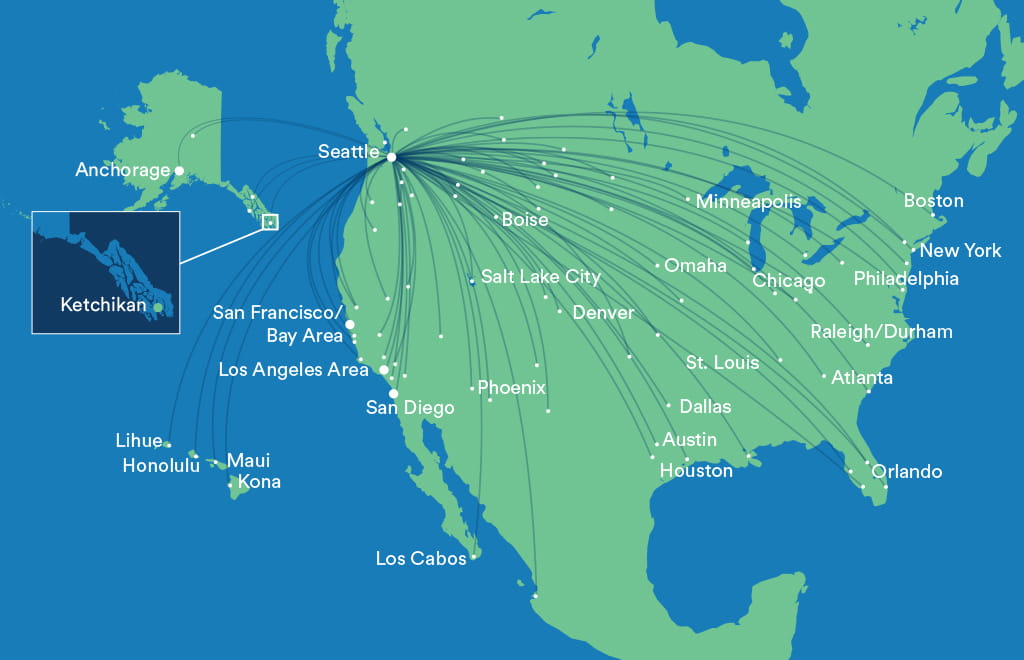 “When you’re transporting live seafood, you have to have sustainable, reliable partners to move that into the marketplace,” said Markos Scheer, founder of Seagrove, a mariculture operation raising oysters and kelp in the remote waters near Prince of Wales Island. The site near Craig was chosen because it produces pristine shellfish and seaweed and is close enough to Ketchikan to take advantage of Alaska Air Cargo’s regular flights.
“It is an integral part of our go-to-market strategy to ship our seafood around the country, and Alaska Air Cargo is essential to us in that business,” Scheer said.
This year our new larger freighters are supporting businesses like Seagrove in communities across the state of Alaska with 20% more freighter flights than last year. For the first time, we also added nonstop freighter service between King Salmon and Seattle during the summer Bristol Bay salmon season, and during the holiday season, we are adding a third day of freighter service between Anchorage and Los Angeles via Seattle. As freighter and belly-cargo opportunities continue to expand and we explore new long-range freighter routes, our services allow Alaska companies like Seagrove to thrive and grow. (Check our latest freighter schedule.)
Next year, Seagrove aspires to ship its premium oysters to about 30 destinations — all within a 24-hour journey from Ketchikan via our air-freight services, Scheer said.
“Our viable markets are anywhere that Alaska Air Cargo flies direct out of Seattle.” — Seagrove founder Markos Scheer
An “intensely local” operation
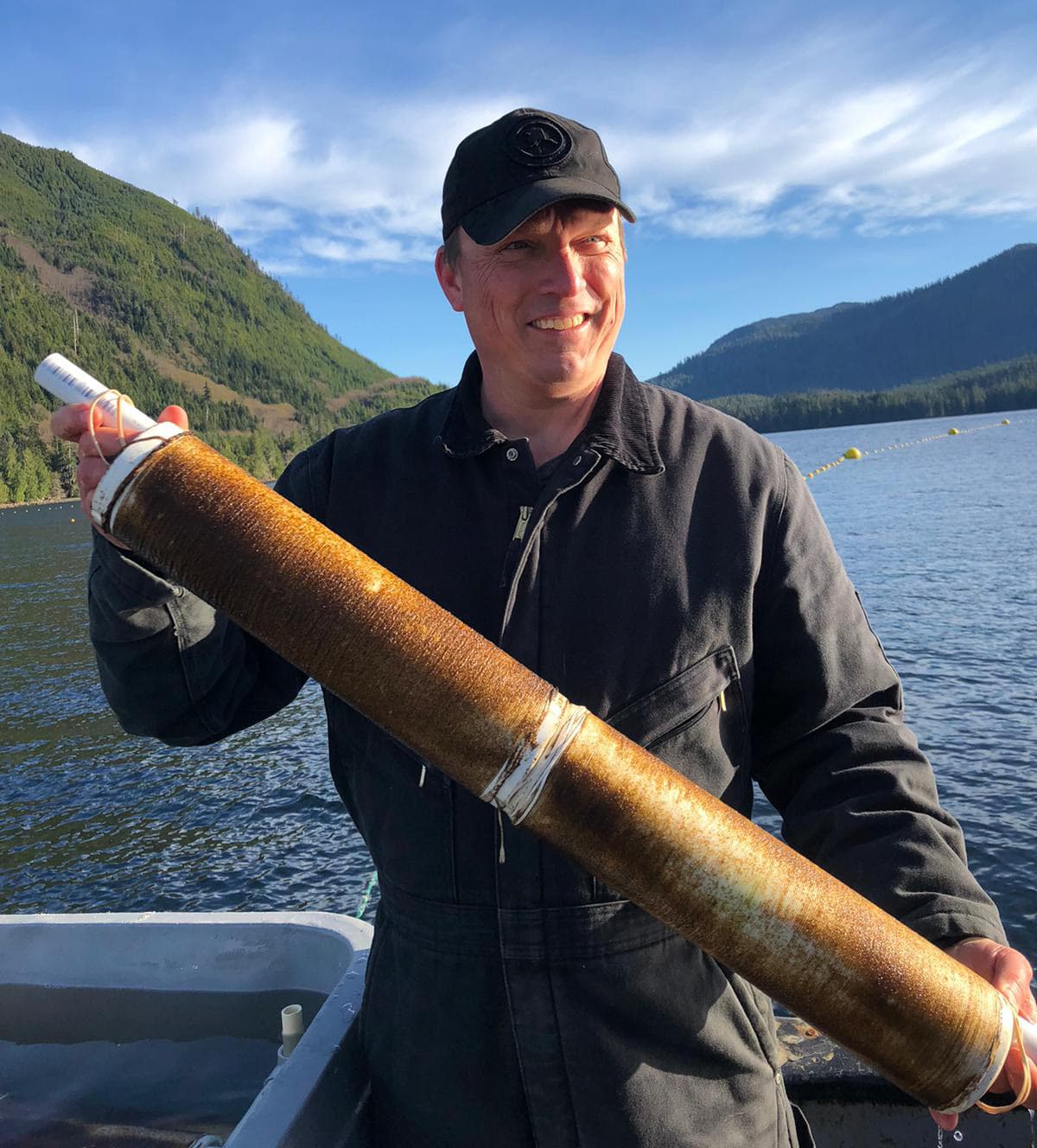 Seagrove founder Markos Scheer with a spool of harvested kelp.Scheer’s passion for Alaska seafood goes back to his teen years working for a processor in Ketchikan, where he first began to understand the industry’s importance to remote communities. Throughout his decades as a lawyer based in Seattle, Scheer continued advocating for the seafood industry, and as a longtime member of the Alaska Fishery Development Foundation, he supported efforts to diversify the state’s seafood industry.
About ten years ago, Scheer began focusing on developing seafood ventures that are sustainable for both the environment and the long-term economic health of the state. He took a deep dive into exploring the symbiotic relationship between seaweed and shellfish, which keep the waters around them clean, don’t need to be fertilized and nourish each other. Scheer realized that a mariculture operation would also nourish the community.
“Mariculture farming is intensely local; it has to be done by people that live in the community,” he said. Southeast Alaska is the epicenter for the industry, which is a small, but growing part of the state’s economy. “The opportunity to be part of building something like that in Alaska is really what drove me. … I said, frankly, be the change you want to see.”
Precious “Alaskan Gem” oysters rely on cargo cold-chain expertise
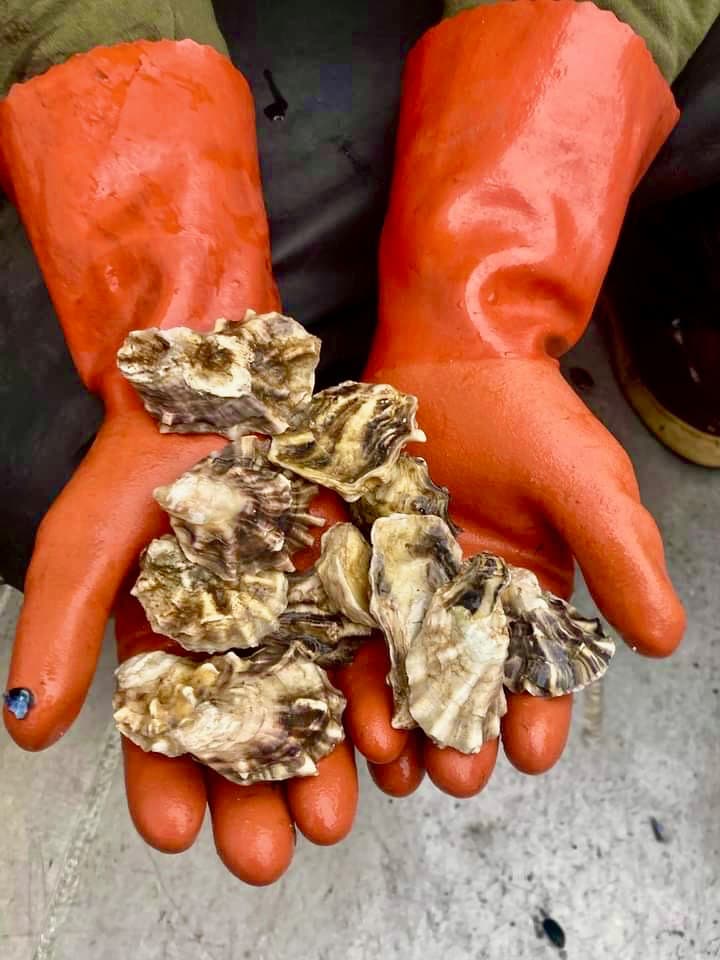
Seagrove started with kelp, an annual crop that is frozen and mostly shipped out by barge, but Scheer’s business plan always called for cultivating oysters. The first juvenile seed oysters went into the water in 2023. “Because they’re grown in a cage at the top of the water, the tide is constantly washing them and keeping them afloat,” said Maura Scudero, Seagrove’s sales and marketing director. “That’s why there are no barnacles or any residue on the shell. It’s a very refreshing, sweet-tasting oyster.”
 “I truly love the ocean, and I love these communities,” said Scudero, who is married to a fisherman and knows how challenging it can be to earn a steady income from fishing. “I know so many fishermen who are looking for something where they can be on the water, which is what they love, and still create an income that their families can depend on. I think mariculture can fill that gap.”
And while Seagrove primarily relies on our cargo services to carry live oysters, they occasionally call on us to ship frozen kelp, too, including 6,500 pounds recently hand-harvested for the Alaska Native Tribal Health Consortium and flown to Anchorage to be used in meals for patients.
Scheer’s hope is that Seagrove’s shellfish and seaweed operation will grow to sustain future generations. “It’s a pretty unique opportunity to build something that really matters — and hopefully matters for folks for the next 50 to 100 years in communities around coastal Alaska,” he said.
Top photo: Seagrove’s oyster farm in Doyle Bay, Alaska. (Photos courtesy of Seagrove)
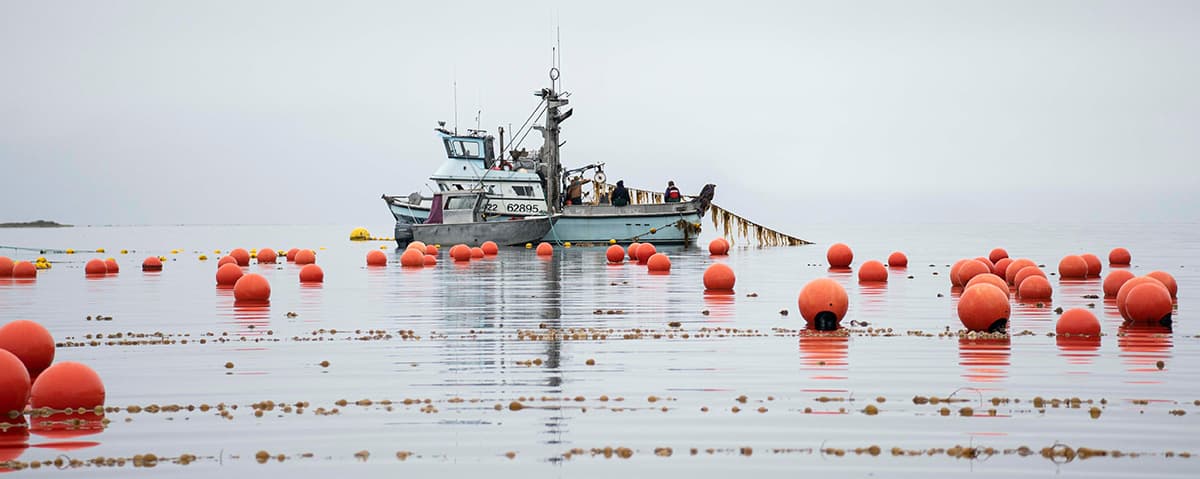 Harvest on Seagrove’s kelp farm.
About Alaska Air Cargo and Hawaiian Air Cargo
Together, Alaska Air Cargo and Hawaiian Air Cargo reach 110-plus cargo destinations around the world, including cities across Asia, the South Pacific, North and Central America and Europe. With more than 90 years of experience carrying vital shipments to remote communities, our air cargo teams share deep connections to the communities where we live, work and fly.

For updates on new routes and operational changes, subscribe to our email newsletter